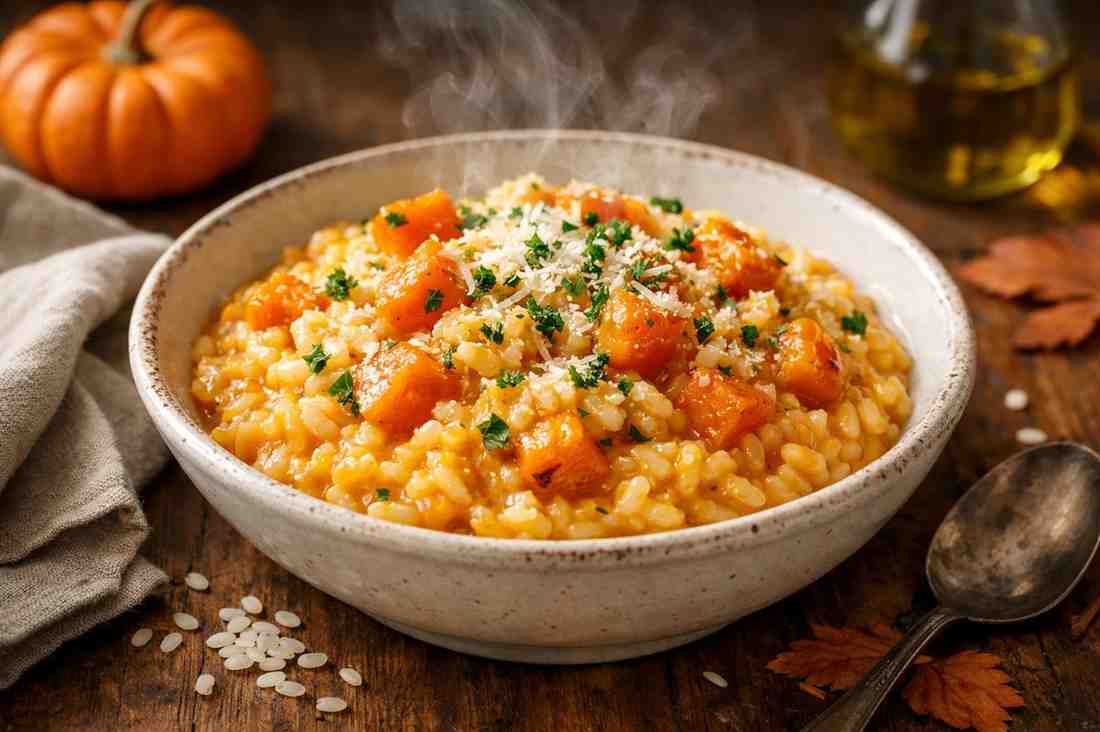
When the crisp air of autumn rolls in, there’s nothing more satisfying than a warm, comforting meal that feels both indulgent and wholesome. Butternut Squash Risotto fits that bill perfectly. With its creamy texture, vibrant orange hue, and delicate balance of sweet and savory flavors, this dish is a seasonal favorite that’s as elegant as it is comforting.
Whether you’re cooking for a cozy weeknight dinner, a special occasion, or a festive gathering, butternut squash risotto delivers both flavor and visual appeal—a true culinary hug on a plate.
What Makes Butternut Squash Risotto Special?
Risotto, a classic Italian dish, is celebrated for its creamy texture achieved by slowly cooking Arborio rice in broth and stirring to release the rice’s natural starches. Adding butternut squash elevates the dish by introducing natural sweetness, earthy undertones, and a stunning golden color.
This combination creates a dish that’s comforting without being heavy, indulgent without being overly rich. The velvety consistency of risotto, paired with the smooth, slightly nutty flavor of butternut squash, makes every bite satisfying and memorable.
Ingredients That Bring It to Life
- Arborio rice: The essential short-grain rice that gives risotto its creamy texture.
- Butternut squash: Roasted or pureed, providing natural sweetness and a golden-orange color.
- Onions or shallots: Adds depth and aromatic flavor.
- Garlic: Enhances the savory undertone.
- Vegetable or chicken broth: Gradually added to cook the rice while infusing flavor.
- White wine: Optional but adds subtle acidity and depth.
- Parmesan cheese: Provides richness, creaminess, and umami.
- Butter or olive oil: Ensures smooth, velvety texture.
- Fresh herbs: Sage or thyme pairs beautifully with the sweet squash.
- Salt and pepper: To taste.
Optional garnishes like toasted walnuts or pine nuts add crunch, while a drizzle of browned butter can take it from comforting to indulgent.
Step-by-Step Preparation
- Roast the Squash: Cut butternut squash into cubes, toss with olive oil, salt, and pepper, then roast at 400°F (200°C) for about 25–30 minutes until caramelized.
- Sauté Aromatics: In a large pan, cook chopped onions or shallots and minced garlic in butter or olive oil until translucent.
- Toast the Rice: Add Arborio rice to the pan and stir to coat in the fat. Toasting the rice for 1–2 minutes enhances its nutty flavor.
- Deglaze with Wine (Optional): Pour in white wine and stir until mostly absorbed.
- Cook with Broth: Gradually add warm broth, one ladle at a time, stirring frequently.
- Incorporate Butternut Squash: Stir in roasted or pureed squash, finish with butter and Parmesan if desired.
- Season and Serve: Adjust salt and pepper, sprinkle with fresh herbs, and optionally garnish with toasted nuts.
Variations to Try
- Sage and Brown Butter: Swap regular butter for browned butter and add fresh sage.
- Mushroom & Squash: Add sautéed mushrooms for an earthy contrast.
- Vegan Option: Use olive oil instead of butter and nutritional yeast instead of Parmesan.
- Spicy Kick: Add a pinch of chili flakes or smoked paprika.
Nutritional Benefits
- Vitamins A & C: From butternut squash, supporting immunity and vision.
- Fiber: Promotes digestive health and satiety.
- Protein & Calcium: From Parmesan, essential for bones and muscle health.
- Energy: Arborio rice provides slow-release carbohydrates for sustained energy.
Why Butternut Squash Risotto Is Perfect for Any Occasion
- Weeknight Comfort: Quick, easy, and satisfying for a cozy dinner.
- Festive & Elegant: Vibrant color and creamy texture make it a showstopper.
- Seasonal Delight: Perfect for autumn and winter, when squash is at its peak.
- Vegetarian-Friendly: Rich and filling without any meat.
Butternut Squash Risotto is the ultimate combination of creamy comfort and seasonal flavor. Its golden-orange hue, velvety texture, and subtly sweet and savory taste make it a dish worth savoring slowly. Perfect for autumn evenings, festive gatherings, or whenever you crave a luxurious yet wholesome meal.
Every spoonful is a reminder that comfort food doesn’t have to be complicated—it just needs the right balance of flavor, texture, and love.