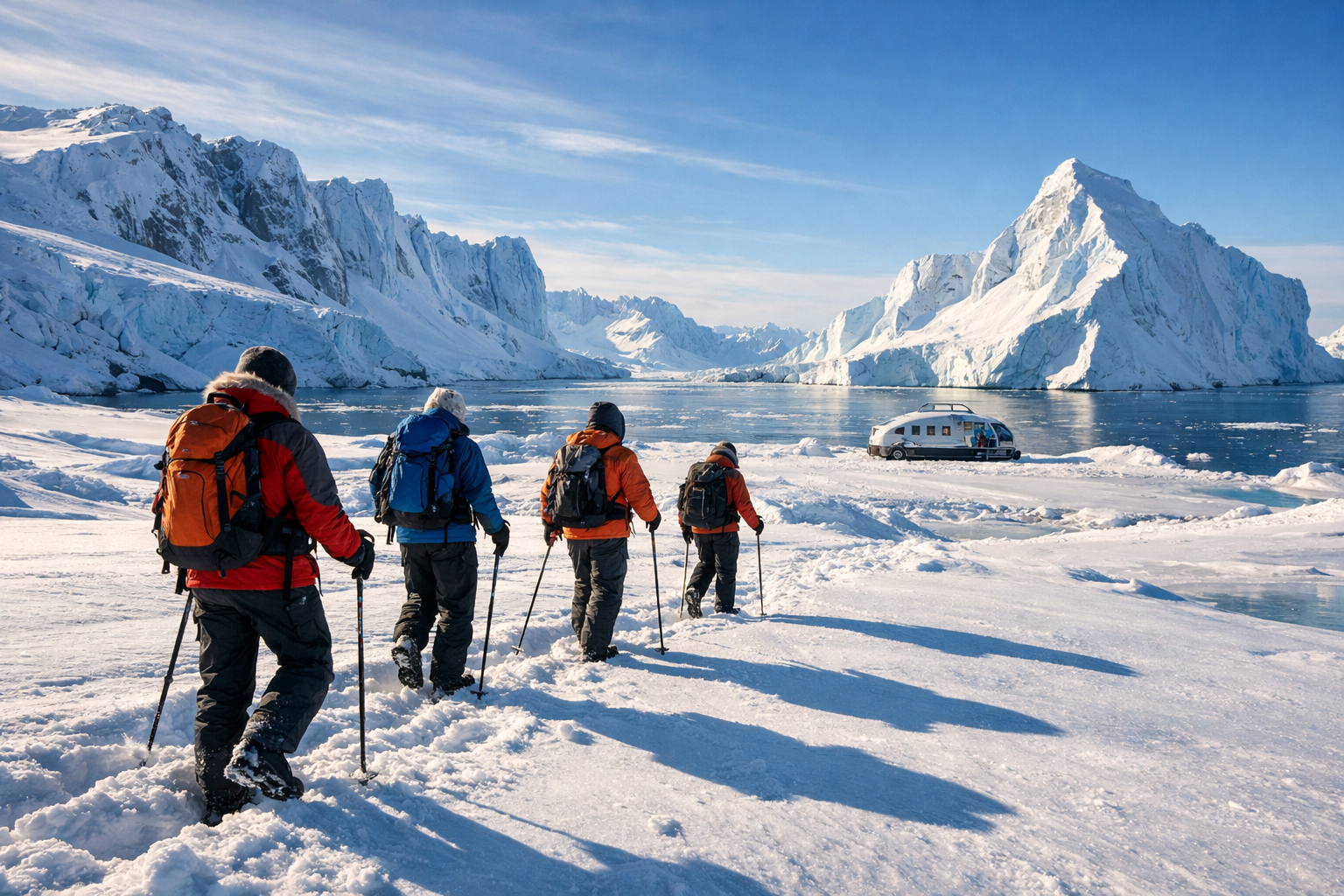
For adventurous travelers, few experiences rival the thrill of a polar expedition. From the icy expanses of the Arctic to the pristine wilderness of Antarctica, polar tours offer a rare opportunity to witness some of the planet’s most dramatic landscapes, encounter unique wildlife, and test the limits of human endurance. These frozen frontiers are not just destinations—they are experiences that combine exploration, science, and unparalleled natural beauty.
Why Polar Expeditions Are So Unique
Polar regions are the ultimate destinations for those seeking adventure, isolation, and natural wonder. Unlike typical vacations, a polar expedition requires careful planning, specialized equipment, and a sense of adventure. What makes them unique includes:
- Extreme Environments: Expect sub-zero temperatures, ice-covered waters, glaciers, and snowfields.
- Wildlife Encounters: Polar bears, penguins, seals, walruses, whales, and arctic foxes in their natural habitats.
- Scientific Insights: Many tours provide educational experiences about climate change, glacial formations, and polar ecosystems.
- Remoteness: These areas are among the least inhabited regions on Earth, offering pristine landscapes untouched by human development.
Traveling to the poles is not just a vacation—it’s an immersive journey into some of the most fragile and fascinating ecosystems on the planet.
Popular Polar Destinations
1. Antarctica
- Icebergs and Glaciers: Towering ice formations and frozen fjords create breathtaking scenery.
- Wildlife: Penguins, seals, and whales are commonly seen during cruises and landings.
- Activities: Kayaking, ice hiking, wildlife photography, and Zodiac boat tours.
Most travelers reach Antarctica via cruise ships departing from Ushuaia, Argentina, experiencing the remote wilderness in style while learning from onboard naturalists.
2. The Arctic
- Northern Lights: Witness the aurora borealis painting the sky in vivid colors.
- Polar Bears and Walruses: Iconic Arctic wildlife seen in their natural habitat.
- Icebergs and Fjords: Norway’s Svalbard Archipelago and Greenland’s glaciers are highlights for explorers.
- Cultural Experiences: Some tours include visits to indigenous communities, providing insight into traditional Arctic life.
The Arctic is generally more accessible than Antarctica, with a variety of expedition cruises, flights, and guided tours available year-round.
Types of Polar Expeditions
- Cruise-Based Tours: Most common, especially in Antarctica and the Arctic. Modern expedition ships are equipped with laboratories, lecture halls, and Zodiac boats for shore landings.
- Adventure Expeditions: Skiing across glaciers, dog-sledding, or ice-climbing. Usually requires a higher level of fitness and specialized gear.
- Photography and Wildlife Tours: Focus on capturing unique landscapes, wildlife, and natural phenomena. Often guided by professional photographers or naturalists.
- Scientific and Educational Tours: Led by researchers, these expeditions allow travelers to participate in ecological or climate studies.
What to Expect on a Polar Tour
- Extreme Weather: Temperatures can drop to –40°C (–40°F) in some regions. Proper layered clothing is essential.
- Limited Connectivity: Many expeditions are remote with minimal internet or cell coverage.
- Unique Transportation: Icebreaker ships, small planes, and Zodiac boats are commonly used to navigate the icy terrain.
- Environmental Awareness: Responsible tourism is crucial; strict guidelines protect wildlife and fragile ecosystems.
Most operators provide expert guides, survival training, and educational talks to ensure both safety and enrichment.
Preparing for a Polar Expedition
- Gear Up: Invest in insulated clothing, waterproof boots, gloves, and hats. Polar-rated gear is essential.
- Health Check: Travelers should be physically fit and prepared for long days in cold conditions.
- Plan Logistics Early: Expeditions can fill up years in advance due to limited capacity.
- Embrace the Experience: Mental preparation is as important as physical; the remote, quiet landscapes are both awe-inspiring and humbling.
Environmental Considerations
- Follow Guidelines: Stick to marked paths and avoid disturbing wildlife.
- Eco-Friendly Operators: Choose tours with strong environmental policies.
- Leave No Trace: Minimize waste and avoid single-use plastics.
- Support Conservation: Some expeditions contribute to scientific research or environmental initiatives.
Traveling responsibly ensures these fragile ecosystems remain protected for future generations.
Polar expeditions and tours are among the most extraordinary travel experiences on Earth. They challenge the adventurer, inspire awe with breathtaking landscapes, and offer unforgettable encounters with wildlife. From the ice-laden shores of Antarctica to the aurora-lit skies of the Arctic, polar travel combines adventure, education, and natural wonder in one unforgettable journey.
For those seeking to explore the last frontiers on Earth, a polar expedition is not just a trip—it’s a once-in-a-lifetime experience that connects you with nature, history, and the sheer majesty of our planet.